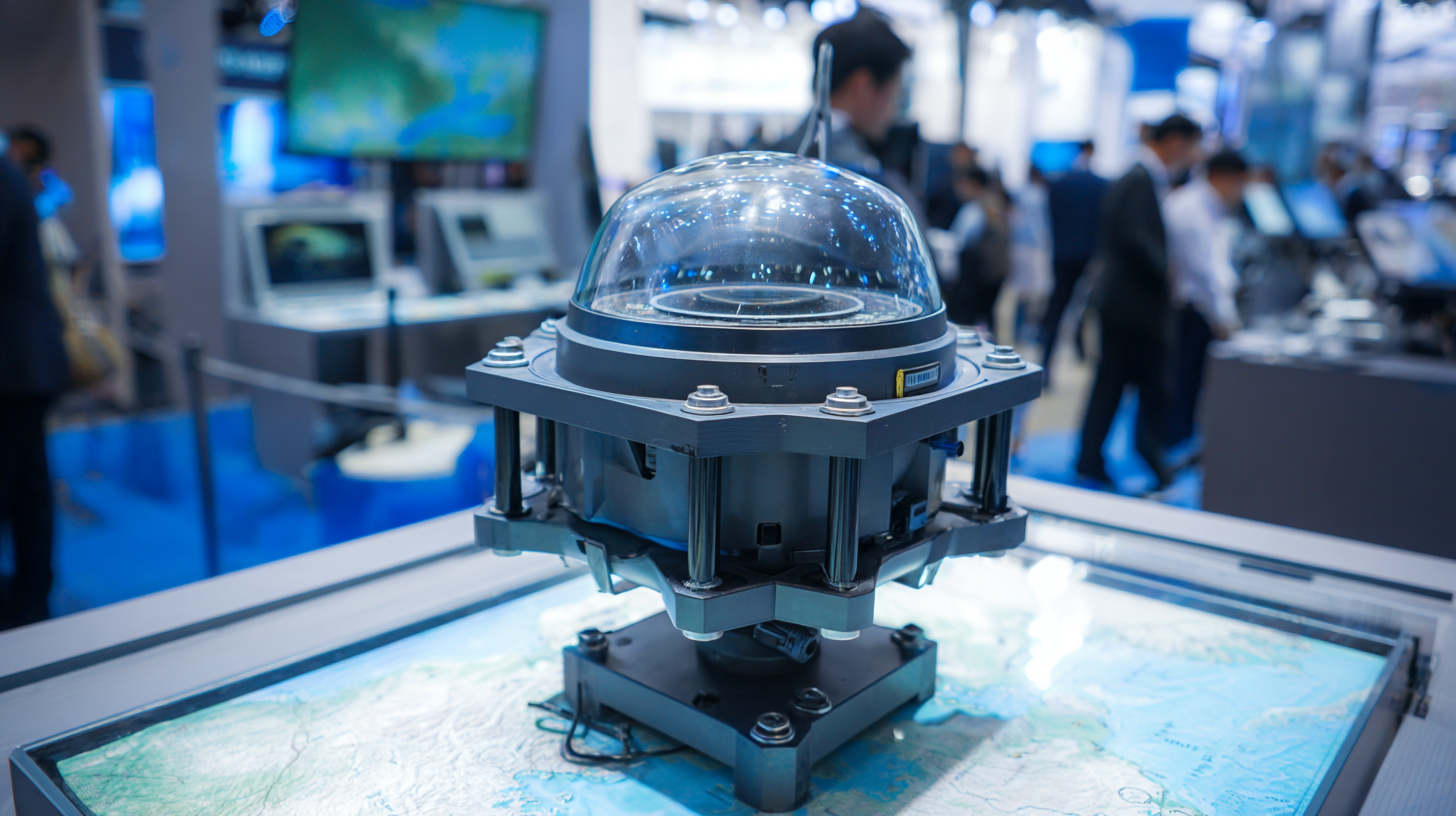
So, at the 2025 China Import and Export Fair, they announced some pretty exciting new stuff—innovative solutions for Magnetometer Gyro Compass tech that really push the boundaries of navigation systems. It's a big deal, especially since everyone’s demanding more accuracy and reliability these days.
The global market for inertial navigation systems, including these magnetometer gyro compasses, is expected to hit around USD 15.8 billion by 2027. That’s grown at a solid pace—about 6.3% annually since 2020. Now, Poseidon International Group, based in Hong Kong and founded back in 2013, is leading the charge.
They’re really at the forefront of this tech wave, focusing on R&D, designing, and manufacturing top-notch fiber optic gyroscopes and inertial navigation systems. They’ve even got multiple patents to their name. Basically, they’re all in on pushing autonomous navigation forward, which is pretty cool. The new Magnetometer Gyro Compass solutions are honestly a game-changer—they’re set to really improve how accurately and reliably we can navigate in all kinds of situations.
Innovative Features of the New Magnetometer Gyro Compass
At the 2025 China Import and Export Fair, they really showcased some amazing new tech in navigation — especially with these groundbreaking magnetometer gyro compass solutions. These new compasses aren’t just your average tools; they come packed with super-modern features aimed at making navigation more accurate and reliable across different types of sea travel. What’s pretty cool is that they can process data in real-time, so you can make quick adjustments on the fly — which is a game-changer whether you're out there commercially or just messing around on a boat for fun.
Plus, they’ve added this smart algorithm that cuts down errors caused by environmental stuff like magnetic interference. That means you get very precise heading info and better stability, even in tough conditions. And let’s not forget — they’re designed to be more energy-efficient and durable, making them a solid, eco-friendly choice for today’s navigation needs. Overall, with their sleek design and top-notch performance, these innovative solutions are really set to shake up the maritime industry and push things forward.
Applications of Magnetometer Gyro Compass in Various Industries
Did you catch the recent reveal at the 2025 China Import and Export Fair? They showcased some really cool new magnetometer gyro compass solutions, and it’s pretty exciting how these tech pieces are finding all sorts of uses across different industries. Basically, magnetometer gyros use some of the latest sensor tech to help with super accurate navigation and positioning. This means they’re making everything from ships to planes and even cars work more efficiently. I read in a market report from ResearchAndMarkets that the global gyro compass market is expected to grow at around 6.5% annually from 2023 to 2030. That’s mainly because there's a big push for more reliable navigation systems, especially for modern vessels and aircraft.
For ships and maritime stuff, these magnetometer gyro compasses are absolute must-haves—they help keep navigation safe and reliable, even when the waters get tricky. The International Maritime Organization points out that over 90% of global trade gets shipped by sea, which just shows how critical good navigation tools really are. In the world of aviation, these gyros are a big deal too—they help keep flights stable and on course, which really bumps up safety. And it’s not just in the air and sea; cars are getting in the game, with advanced driver-assistance systems (think of it like smarter, safer driving features), all thanks to this tech. As companies keep pushing boundaries, it’s safe to say that magnetometer gyro compass tech is going to play an even bigger role in shaping what’s next across these industries.

Advantages over Traditional Compass Technologies
Hey, did you hear about the China Import and Export Fair in 2025? They showcased some really exciting new
magnetometer gyro compass tech that’s turning heads. These new systems have some pretty
awesome advantages over the old-school compasses we’re used to—stuff like magnetic compasses and gyrocompasses. You know how those can sometimes get wonky if
there's a magnetic field nearby or start wearing out over time? Well, the latest magnetometer gyro compasses basically sidestep those issues. They’re
way more precise, flexible, and reliable, which makes them perfect for all sorts of stuff—whether it’s
navigating ships or keeping drones on course.
And get this: according to a recent market report from Research and Markets, the global compass market is
expected to jump from about 3.2 billion bucks in 2023 to over 5 billion
by 2027. People are definitely trending towards using more advanced tech like magnetometer systems. The coolest part? They stay accurate without drifting over
time and don’t cost much to maintain. Plus, they’re easily integrated with all the latest digital systems,
which really puts them ahead in the navigation game.
Tip: When you're choosing a navigation system, it’s worth thinking about where and how you'll use it. If you go for a high-tech magnetometer gyro compass, you
might actually save money in the long run—especially if precision is key in what you’re doing. Just don’t forget to look beyond the sticker price; consider the
total cost of owning and maintaining the equipment, including any potential downtime. That way, you’ll be set
up for smooth sailing—literally and figuratively.
Market Trends and Future Prospects of Gyro Compass Solutions
The gyro compass market is really going through some exciting changes right now. Thanks to tech pretty much everywhere getting better and a growing need for super accurate navigation, things are heating up. I was reading a detailed market study by Custom Market Insights, and they’re saying that the global fiber optic gyroscope (FOG) market is expected to jump from about USD 1.9 billion in 2025 to roughly USD 4.5 billion by 2035. That’s a solid Compound Annual Growth Rate (CAGR) of around 14.2%! It’s no surprise, really, since industries are increasingly turning to these advanced inertial navigation systems — whether it’s for self-driving cars or maritime navigation, everyone seems to want more precise tools.
On top of that, new magnetometer gyro compass solutions are popping up, promising to crank up navigation accuracy even further. Companies like Poseidon International Group in Hong Kong are really pushing the envelope, specializing in developing and producing fiber optic gyroscopes and related tech. They're busy securing multiple patents and working on better inertial navigation systems, which signals a pretty bright future for this whole field. Looking at the trends — how quickly adoption is rising and how much tech keeps improving — it’s clear that gyro compass solutions aren’t just keeping up; they’re ahead of the game and ready to meet the needs of both commercial businesses and industrial projects in the years to come.
Market Trends of Gyro Compass Solutions (2025)
Collaborative Innovations in Marine Navigation Technologies
So, at the 2025 China Import and Export Fair, they really showcased some pretty exciting new stuff in marine navigation tech. One of the big highlights was these cutting-edge magnetometer gyro compass solutions. They’re the result of a lot of teamwork between top maritime tech companies, and honestly, they’re set to make navigation way more accurate and reliable. By combining magnetometers with gyro compasses, these gadgets can give real-time data and help ships figure out exactly where they are — which is super important for safe and smooth sailing.

Plus, the fair stressed how crucial partnerships are when it comes to pushing marine tech forward. Industry experts kept talking about how we really need ongoing collaboration between companies, research institutions, and government agencies if we want to develop solutions that tackle the new challenges in maritime navigation. These kinds of teamwork efforts aren’t just about innovation; they’re also key to keeping marine operations environmentally friendly. As the maritime world keeps growing, these kinds of innovative techs are totally vital for making navigation safer and operations more efficient.
Insights from Industry Experts at the 2025 China Import and Export Fair
At the 2025 China Import and Export Fair, industry insiders were buzzing about some pretty exciting breakthroughs in magnetometer gyro compass tech. These innovations are really raising the bar when it comes to precision in navigation. It’s kind of funny — at a time when global trade stuff like tariffs and political negotiations are throwing everything into chaos, these advancements feel all the more relevant. You know how the US and its big trading partners have been at odds, causing markets to swing wildly? That kind of environment pushes companies to think outside the box and come up with new solutions just to stay afloat.
There’s a recent report that’s got some interesting insights—mainly that the semiconductor world is set to see a huge boom in chip sales. A lot of that is thanks to leaps in generative AI and the skyrocketing demand for data centers. It’s pretty clear that emerging tech, including smarter navigation systems, play a huge role in helping different industries run more smoothly.
And here’s a little tip for businesses trying to keep up in all this chaos: diversifying your investments is more essential than ever. Investing in the latest technologies can give you that edge over competitors and help soften the blow from unpredictable tariffs. Staying on top of industry trends and being ready to pivot whenever needed is key — those are the moves that’ll help companies not just survive, but actually thrive even when stuff’s messy out there.
Innovative Magnetometer Gyro Compass Solutions Unveiled at 2025 China Import and Export Fair
| Solution Type |
Application |
Technology Used |
Key Features |
Market Potential |
| Magnetometer-based Compass |
Marine Navigation |
MEMS Technology |
High Accuracy, Low Drift |
High Demand in Shipping Industry |
| Hybrid Gyro Compass |
Aerospace |
Optical and MEMS |
Lightweight, Fast Response |
Expanding Aerospace Market |
| Inertial Navigation Systems |
Autonomous Vehicles |
Laser and Magnetometer |
Robust, Multi-Modal Integration |
High Growth in Autonomous Tech |
| Portable Magnetic Sensors |
Geological Surveys |
Solid-State Sensors |
Compact, User-Friendly |
Emerging Market Opportunities |
Advancing Precision in Motion Sensing: The Role of Micro-nano Angular Rate Sensor Fiber Optic Gyros with Fast Start Times
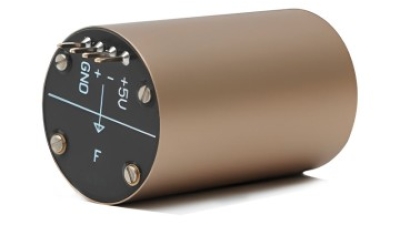
In the pursuit of advancing precision in motion sensing, micro-nano angular rate sensor fiber optic gyroscopes play a pivotal role, particularly with their ability to provide fast start times. The innovative micro-optic architecture coupled with a precision Sagnac-effect fiber sensing core positions these gyros at the forefront of technological advancement. With an ultra-compact cylindrical form, measuring just 24mm in diameter and 40mm in height, these sensors are designed to fit seamlessly into a variety of high-dynamics platforms.
The full solid-state construction ensures unmatched inertial-grade reliability, allowing for maintenance-free operation even in extreme environments. This is essential for applications where reliability is critical, such as in aerospace, military, and autonomous systems. The instantaneous readiness of the sensors means they can rapidly begin operation without the delays often associated with traditional gyroscope technologies. Additionally, the analog signal integrity provides a stable and accurate response, facilitating effective orientation control in situations where GNSS signals are compromised or in high-vibration settings. The integration of such advanced motion sensing capabilities is crucial for enhancing navigation and control in complex operational areas.
FAQS
: The new magnetometer gyro compasses feature real-time data processing, advanced algorithms that minimize errors from environmental factors, increased energy efficiency, and enhanced durability, all contributing to improved accuracy and reliability in navigation.
They provide precise navigation and positioning, ensuring safe and reliable operations, especially in challenging environments, which is essential for the transportation of over 90% of global trade by sea.
Magnetometer gyro compasses can be used in maritime, aerospace, and automotive industries, enhancing operational efficiency and safety in navigation and positioning tasks.
The global gyro compass market is projected to grow at a CAGR of 6.5% during this period, driven by the increasing demand for accurate navigational systems.
In the aerospace sector, they are crucial for flight stability and navigation, thus contributing to improved safety protocols in aircraft operations.
Advanced driver-assistance systems incorporate magnetometer gyro compass technology to enhance vehicle performance and safety features, contributing to more reliable navigation.
Tariff tensions can create a volatile market, prompting businesses to innovate and diversify their portfolios, including investments in advanced navigation technologies to stay competitive and mitigate risks.
Increased energy efficiency makes these compasses a sustainable choice for modern navigation needs, which is essential for minimizing operational costs and environmental impact.
They help manage challenges such as magnetic interference and other environmental factors that can cause navigation errors, ensuring precise heading information and better stability.
Emerging technologies, particularly in generative AI and data center demands, are driving advancements in navigation solutions, underscoring the importance of innovative technology in enhancing operational efficiency.
Conclusion
At the 2025 China Import and Export Fair, there was quite a buzz around some really innovative Magnetometer Gyro Compass solutions. They showcased how these systems are packed with cool features and are being applied across different industries. What really stood out was how these new systems combine cutting-edge tech to boost accuracy and make navigation way more reliable — a big leap over traditional compasses. People at the event discussed how market trends are heading in an exciting direction, with gyro compass tech showing lots of potential for the future, especially as marine navigation keeps pushing forward through collaborative innovations.
On the other hand, Poseidon International Group from Hong Kong, with its strong background in the latest gyroscope and navigation systems, is totally in tune with these advancements. They're focusing on independent R&D, particularly on systems like the Magnetometer Gyro Compass, aiming to lead the way in delivering top-notch solutions that keep up with what different industries need today, especially when it comes to marine tech.

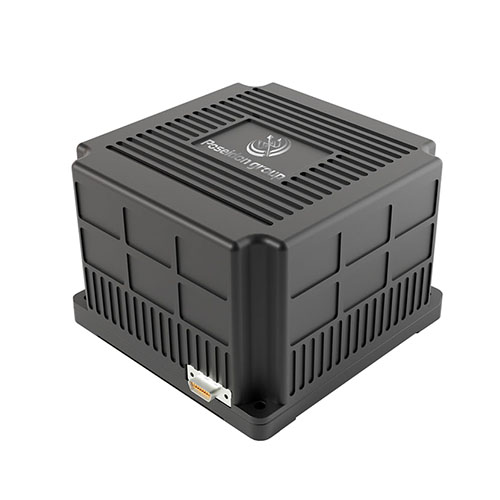 TBSD60
 BSD120
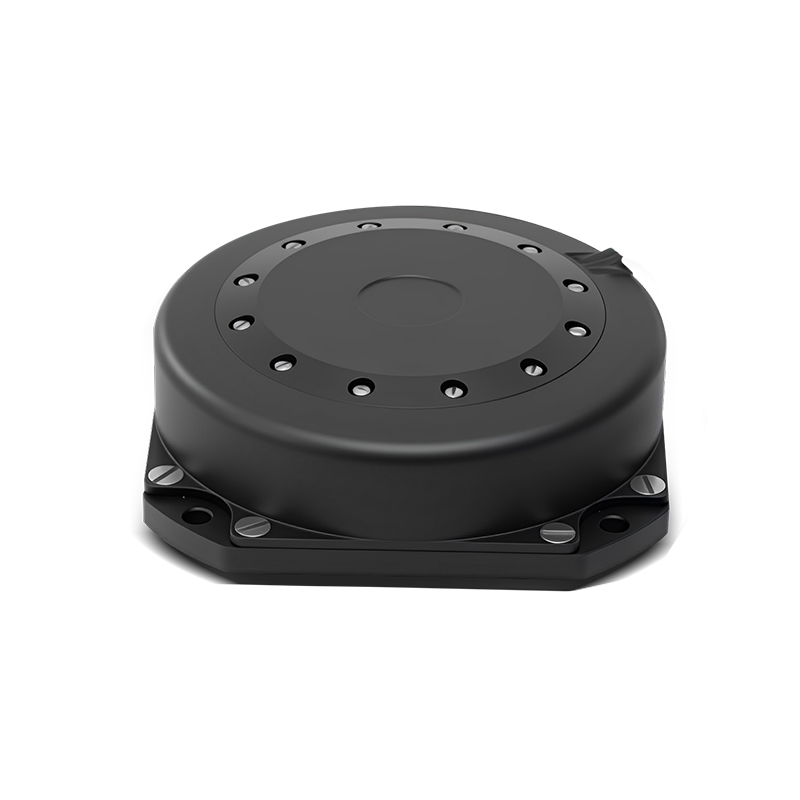 BSD98
BSD98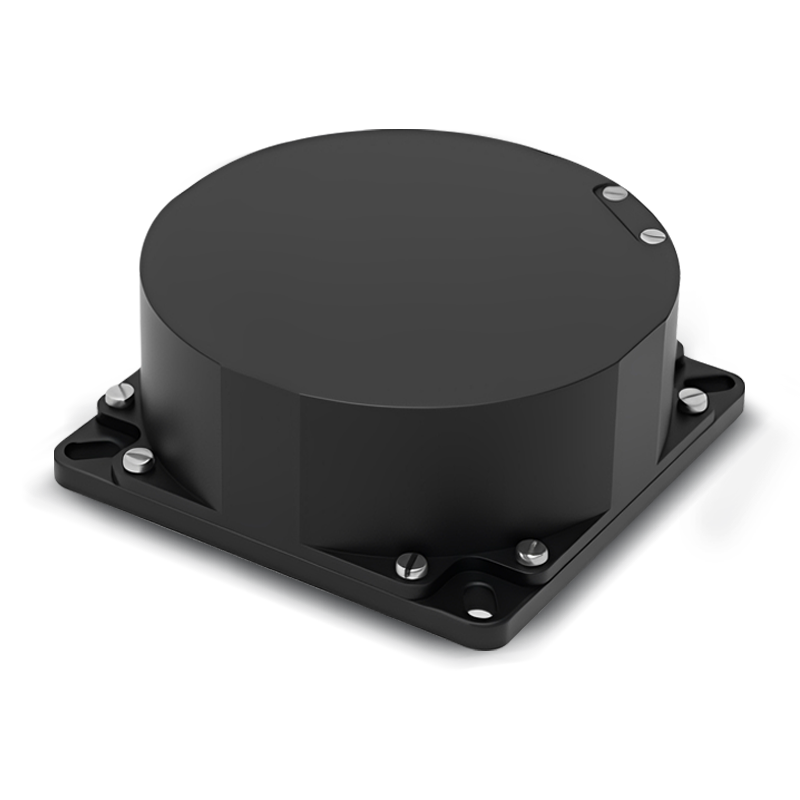 BSD70
BSD70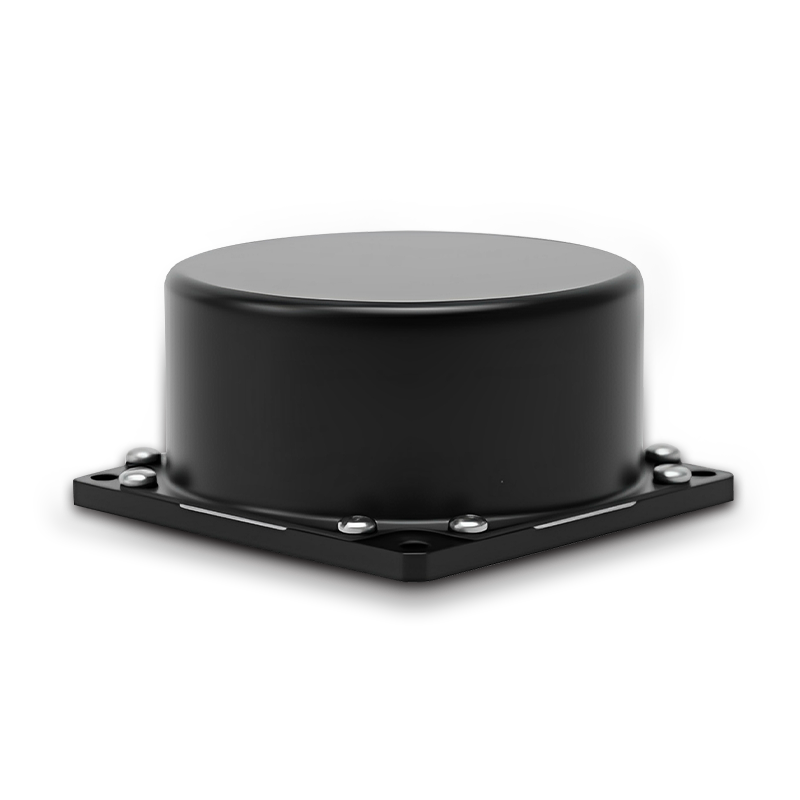 BSD60
BSD60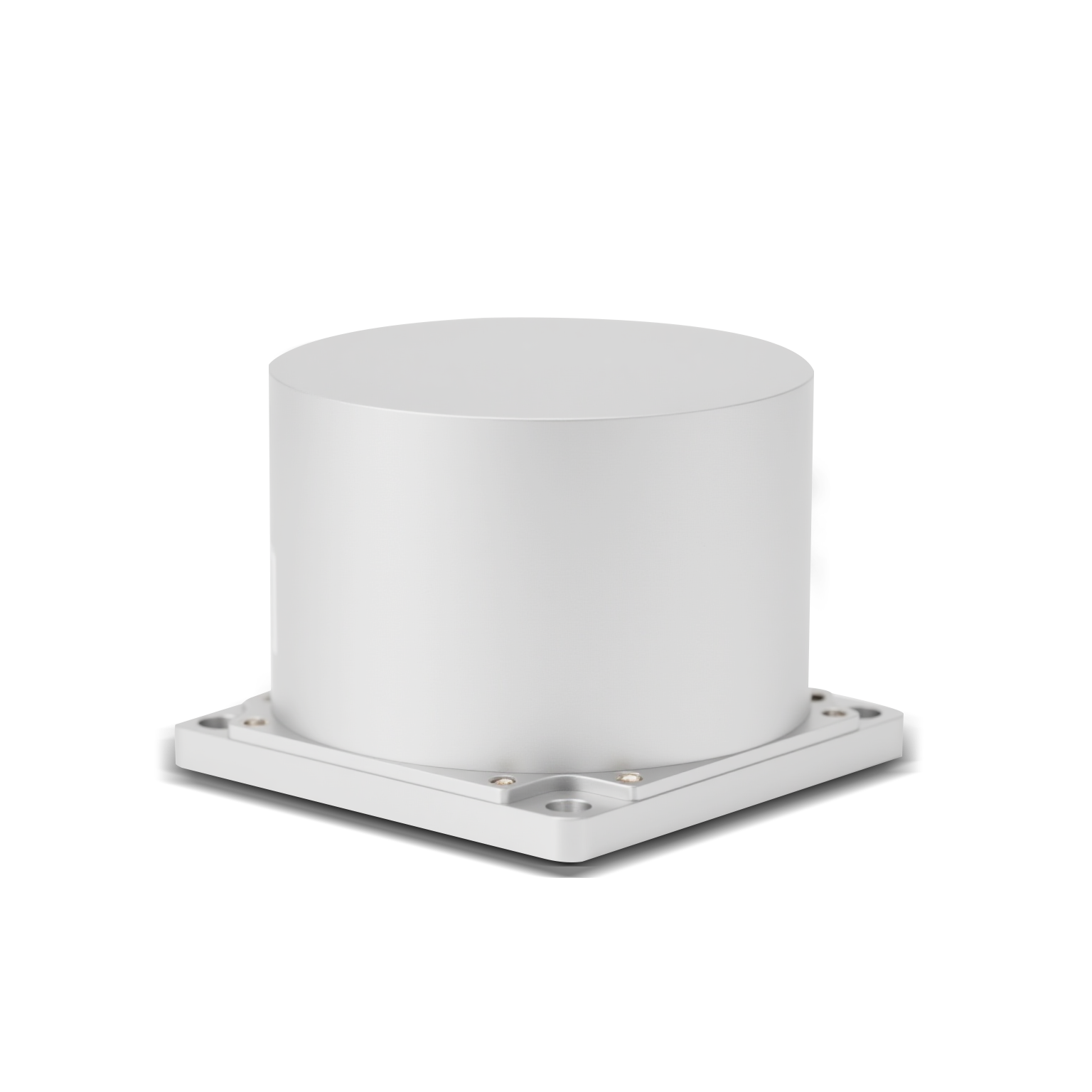 BSD50
BSD50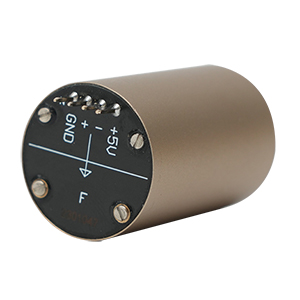 BSD217
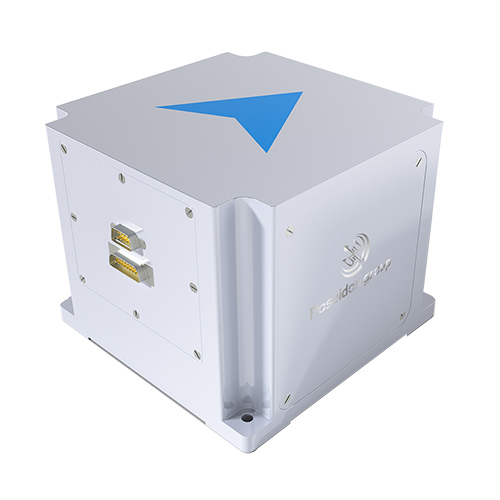 INS1700
 INS970
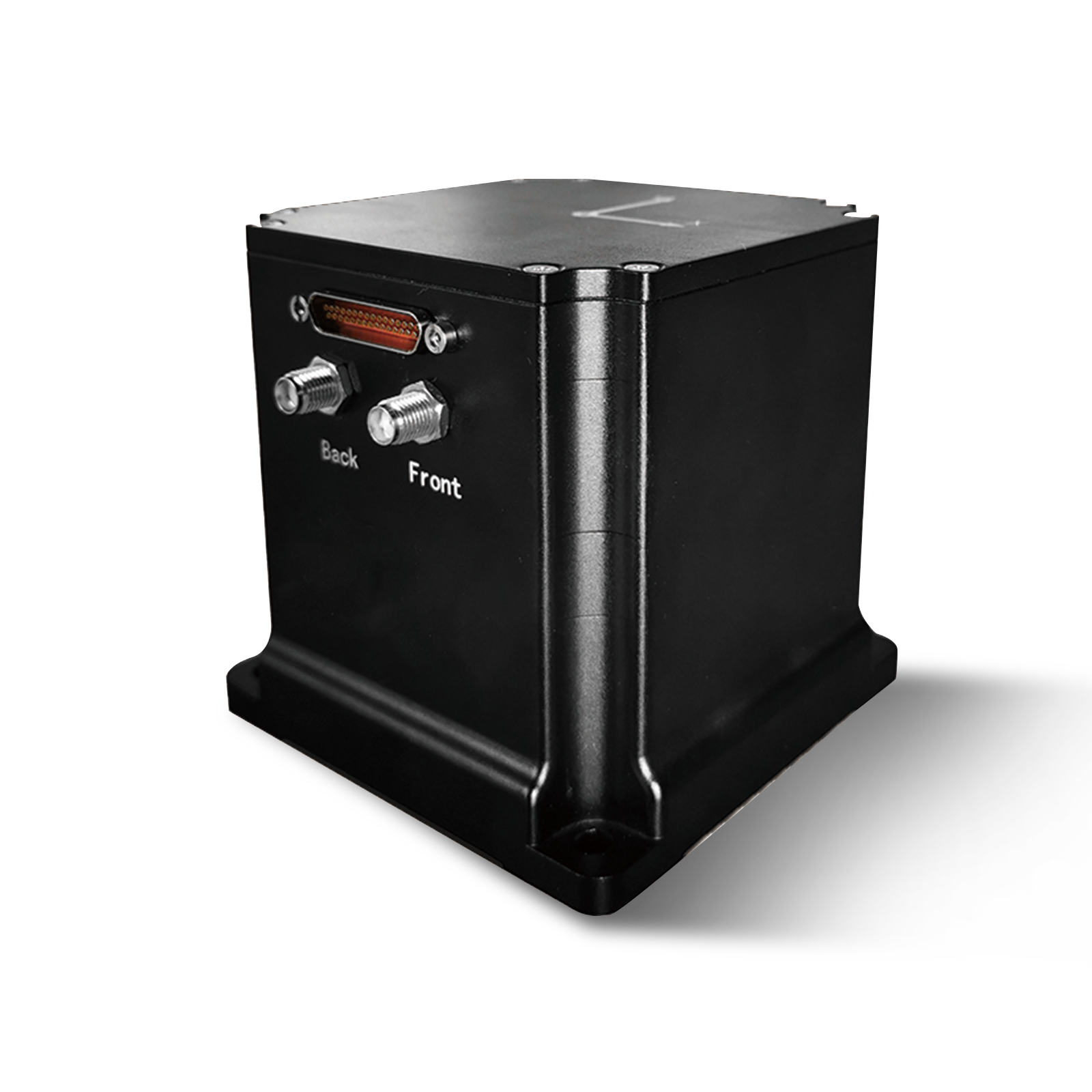 INS570
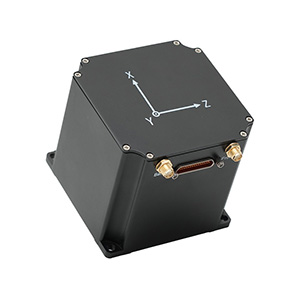 INS170
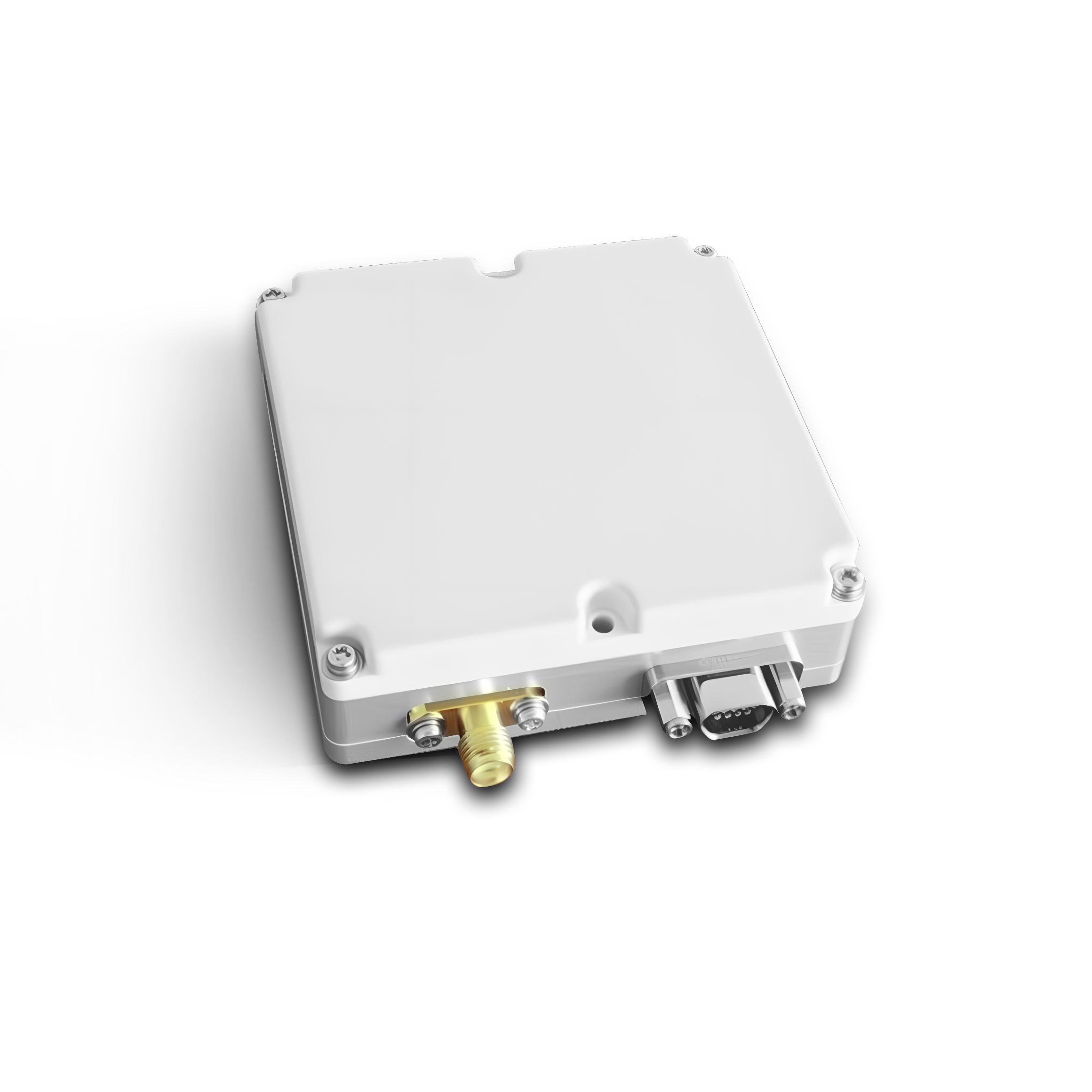 SLA-4B1L1-65
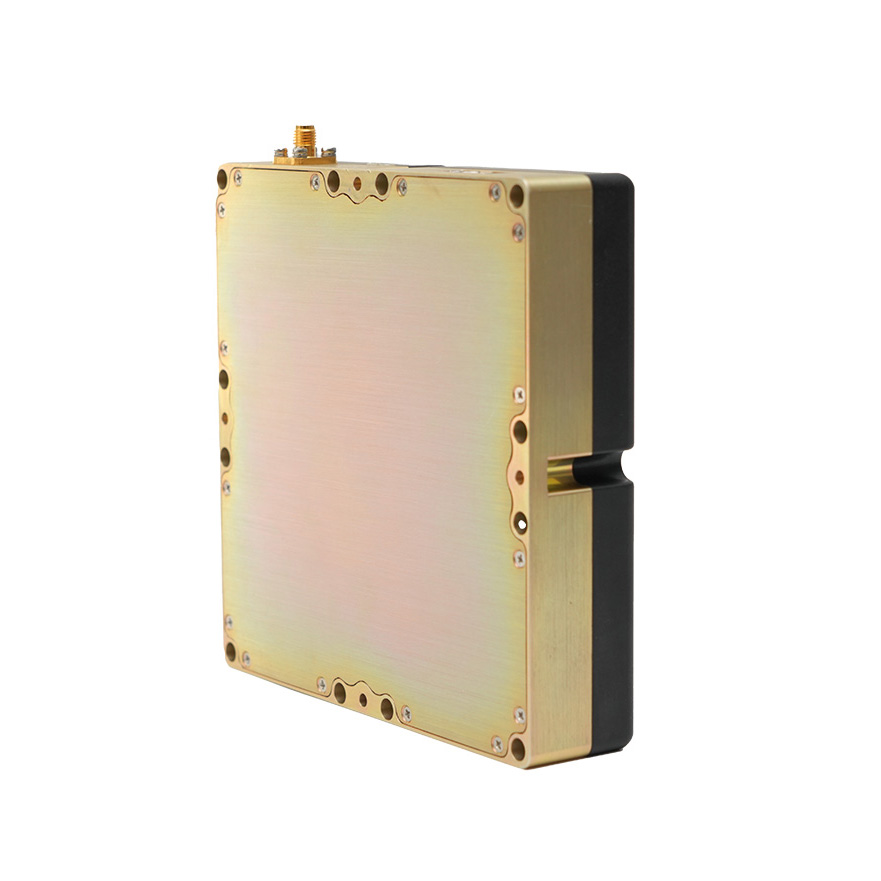 SLA-4B1L1-130
 SLA-8B1L1-165
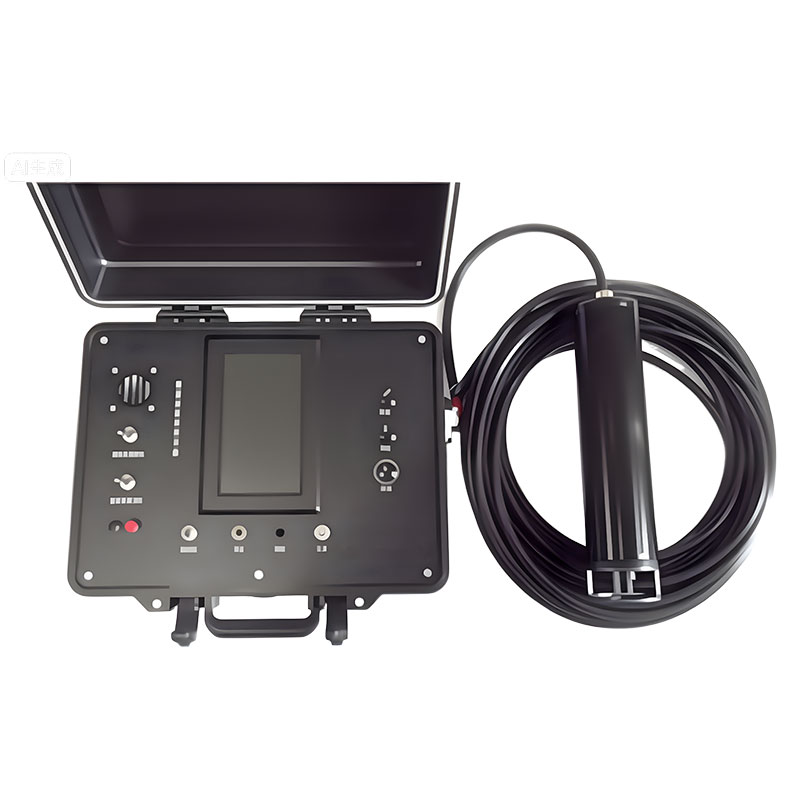 DIVER 101
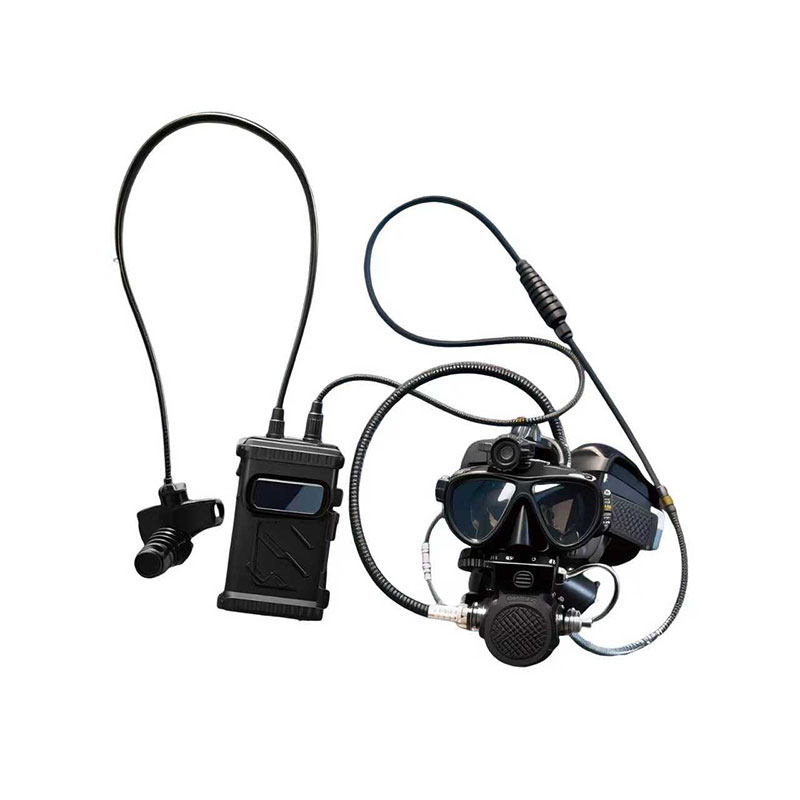 DIVER 102
 DIVER 103
 DIVER 104
 DIVER 105
 DIVER 106
 SLLR3000
 SLLR905
 SLLD25
 160M
160M 170M
170M SLFC-70
 SLAF280
 MR360
MR360