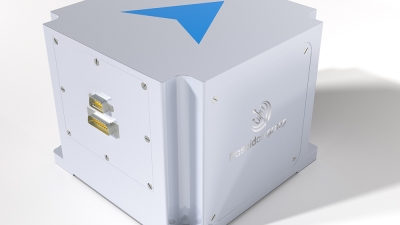
You know, with all the back-and-forth over tariffs between the U.S. and China, it’s pretty impressive to see how resilient the Chinese manufacturing sector has been, especially when it comes to Inertial Navigation Sensors. A recent report from MarketsandMarkets suggests that the global market for inertial navigation systems is expected to jump from about $9.62 billion in 2020 to nearly $13.89 billion by 2025, with a compound annual growth rate of 7.5%. Pretty cool, right? This surge is mainly fueled by advancements in technology and a growing need for precision navigation in all sorts of fields like self-driving cars and aerospace. Now, over in Hong Kong, there's Poseidon International Group, which has been around since 2013. These folks are really making waves in the industry with their focus on independent research and development of fiber optic gyroscopes (FOG) and inertial navigation systems (INS), plus a bunch of related tech. They’ve got multiple technical patents under their belt, so they’re in a great spot to ride this wave of growth and play their part in the evolution of Inertial Navigation Sensors, even with all the economic challenges out there.

The Impact of Tariff Challenges on Chinese Manufacturing Growth
You know, the trade tensions we’re seeing these days really are shaking things up for Chinese manufacturing. But honestly, the industry has been pretty impressive in how it’s bouncing back, especially when it comes to making inertial navigation sensors. I came across this report from MarketsandMarkets, and it says the global market for inertial navigation systems is set to hit a whopping $17.8 billion by 2026! A big part of that growth is thanks to some cool tech advancements and more uses in areas like aerospace and automotive. Sure, the tariffs have complicated things and made international supply chains more of a headache, but Chinese manufacturers are really stepping up their game. They’re putting a lot of focus on quality and precision to stay competitive.
**Tip:** If they want to keep rising above these challenges, it’s a good idea for manufacturers to put some cash into research and development. Exploring partnerships with tech startups that specialize in sensor tech could really amp up their products with all kinds of cutting-edge features and improvements.
Plus, you can really see how Chinese manufacturers are adapting to the times by shifting to local supply chains. A recent study by Deloitte found that about 67% of manufacturers in China are rethinking their sourcing strategies to deal with these tariffs. By sourcing locally, they’re not just cutting down on reliance on foreign suppliers—they’re also giving a nice boost to the domestic industry, which is great for building a stronger manufacturing scene overall.
**Tip:** It might be smart for businesses to mix it up with their supply chains and get into some local partnerships to safeguard against future bumps in the road. And hey, focusing on sustainability during all this could really resonate with eco-conscious consumers and stakeholders alike!
Emergence of Leading Inertial Navigation Sensors in China
You know, the rise of top-notch inertial navigation sensors in China is really shaking things up in the manufacturing world, especially with all the economic ups and downs we've been seeing. So, a recent report from MarketsandMarkets has some interesting news: they're predicting that the global inertial navigation system market will jump from $12 billion in 2020 to a whopping $23 billion by 2025. That’s a compound annual growth rate of around 14%! It's pretty clear that China is gearing up to be a major player in this arena, thanks to its tech advancements and solid supply chain.
Despite the tariffs and trade tensions, Chinese manufacturers are stepping up their game, working hard to create high-quality inertial navigation sensors that are up to international standards. A study by Research and Markets even points out that China’s share in this market is likely to hit 35% by 2025. This growth is fueled by significant investments in research and development and a push for more standardized practices across the industry.
Big companies are really putting the focus on miniaturization and incorporating cutting-edge technologies like MEMS (Micro-Electro-Mechanical Systems) sensors. This not only boosts accuracy but also amps up performance across a range of applications, from aerospace to automotive. It’s amazing to see such resilient growth, showcasing China’s determination to emerge as a leader in the advanced manufacturing sector, even when faced with all these external challenges.
Resilient Growth in Chinese Manufacturing: Market Share of Inertial Navigation Sensors
This pie chart illustrates the market share of leading inertial navigation sensor manufacturers in China as of 2023, highlighting the resilience of the sector amidst tariff challenges.
Strategies Chinese Manufacturers Use to Overcome Trade Barriers
You know, Chinese manufacturers have really shown an impressive ability to bounce back from tariff challenges, especially when it comes to inertial navigation sensors. To tackle the tricky landscape of international trade, they've come up with some pretty clever strategies that not only help them dodge risks but also give them a nice boost in the global marketplace.
One big game-changer has been diversifying their supply chains. By grabbing components and materials from various countries, they reduce the chance of relying too heavily on just one region. This way, even if tariffs pop up, they can keep things running smoothly. It’s all about staying flexible, right? Plus, it means production doesn’t hit a standstill even when trade hurdles come into play.
**A little tip:** If you’re thinking about diversifying your supply chain, make sure to do some solid market research first. Finding reliable suppliers in different places is key. And hey, building great relationships with multiple vendors can really work in your favor during negotiations and can also help cushion against any potential hiccups.
Another smart move is to really double down on technology and innovation. More and more, Chinese manufacturers are putting a spotlight on creating top-notch products that tick all the boxes for international standards. This approach not only helps them stay competitive, even when the trade environment gets tight but also means they're better prepared to adjust to what the market demands.
**Another tip:** Don’t forget to set aside resources for ongoing training and development for your R&D teams. It’s super important to encourage a culture of innovation too. Getting them access to the latest tech and teaming up with universities can really keep you ahead of the curve when it comes to industry trends.

Technological Advancements Driving Resilience in Manufacturing
You know, despite all the global tariff hurdles, China’s manufacturing sector has really shown some incredible resilience, especially when it comes to inertial navigation sensors. It's pretty fascinating to see how this growth is largely due to some major tech advancements that are changing the game—not just in the products they create but also how they actually make them. Manufacturers are pouring more resources into research and development these days, which is awesome because it means they're coming up with innovative sensors that are not only more accurate but also more efficient and adaptable for all sorts of uses.
A huge part of this resilience comes from using cutting-edge technology like artificial intelligence and machine learning in the manufacturing process. These nifty innovations really help streamline production, improve quality control, and cut down on waste, which results in better-performing products. Plus, the strong partnerships forming between universities and industries are leading to breakthroughs that really expand what inertial navigation sensors can do. It just goes to show how crucial technology is for tackling the tricky landscape of international trade and competition. And as the global manufacturing scene continues to change, China's commitment to technological excellence really sets it apart as a leader in inertial navigation solutions, even when facing outside pressures.

Comparative Analysis: China vs. Global Manufacturing Leaders
You know, in the ever-changing world of manufacturing, China has really shown some serious grit when it comes to global tariffs and trade issues. One area where this is super apparent is in the field of inertial navigation sensors. Chinese manufacturers have made some pretty impressive progress there. By tapping into cutting-edge technologies and fine-tuning their production processes, they’ve managed to carve out a nice competitive advantage, effectively positioning themselves alongside some of the top global players. Their commitment to quality and innovation is allowing them to really push back against established brands, not just at home but globally too.
When you're looking at how Chinese manufacturing stacks up against global leaders, there are a few things to consider. The supply chain network over there is a real powerhouse—it boosts efficiency and helps keep costs down. Plus, the government’s backing of high-tech industries means there’s a ton of investment flowing into research and development, which lets local companies really step up their game. While the traditional giants have their own hurdles to jump, China’s strategic focus on boosting its manufacturing strengths, along with its unique market vibe, really signals a potential shake-up in the global manufacturing scene—especially in high-tech sectors like inertial navigation sensors.
Future Trends in Chinese Manufacturing Amid Ongoing Tariffs
You know, with all the tariffs and supply chain hiccups, Chinese manufacturing really has its hands full these days. But rather than just sitting back and waiting for things to blow over, the industry is rolling up its sleeves and getting innovative. Companies are diving into advanced tech, especially when it comes to stuff like inertial navigation systems. These sensors are super important—they're used everywhere, from aerospace to your everyday gadgets. So, they’re becoming a key player in China's game plan for high-tech manufacturing.
The surge in top-notch inertial navigation sensors is really telling of a bigger picture here, where Chinese manufacturers are looking to stand on their own two feet and grow their tech capabilities. With tariffs pinching hard, folks in manufacturing are putting a lot more emphasis on research and development to really up their game. These sensors not only boost local industries but also help China hold its own in the competitive global market. This whole shift shows they’re serious about quality and innovation, which is crucial for driving long-term growth even when things get tough economically.
Navigating the Future: The Role of GPS-Denied Area Integrated INS1700 Anti-Jamming Position Navigation in Modern Applications
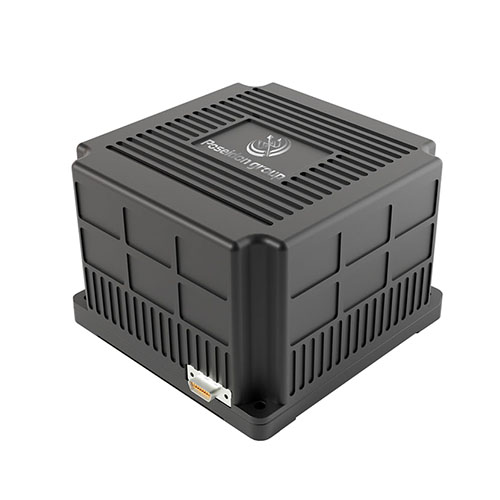
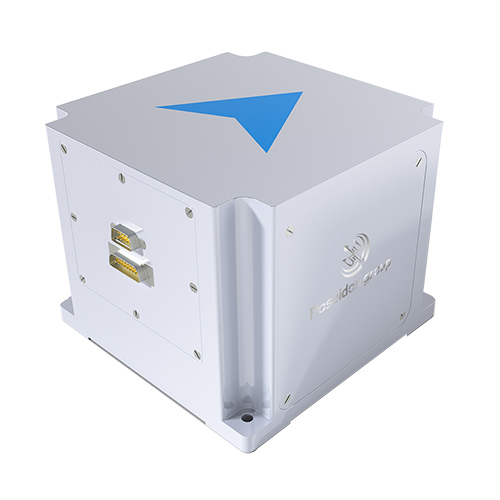
In today's rapidly evolving technological landscape, the ability to navigate seamlessly in GPS-denied areas has become paramount. The Poseidon INS1700 High-Precision Integrated Navigation System stands at the forefront of this innovation, merging advanced fiber optic gyroscopes (FOG) and MEMS accelerometers with comprehensive satellite navigation systems, including GPS, BDS, GLONASS, and Galileo. With its cutting-edge technology, the INS1700 ensures unmatched accuracy and reliability, providing critical real-time data such as heading, attitude, speed, position, angular rate, and acceleration.
A report from MarketsandMarkets highlights that the global integrated navigation system market is projected to reach $10 billion by 2025, driven by the growing demand for autonomous vehicles across various industries. The ability of the Poseidon INS1700 to integrate with autonomous vehicles allows for enhanced inspection and maintenance operations, significantly reducing the need for human intervention. This capability is vital in sectors such as logistics and environmental monitoring, where early identification of issues can prevent costly operational disruptions and enhance safety.
Moreover, the INS1700's compact design and low power consumption make it an ideal choice for deployment in diverse environments, from urban landscapes to remote areas. Its support for external sensors, including odometers and Doppler Velocity Logs (DVL), further expands its application potential. As industries continue to innovate, the role of integrated navigation systems like the Poseidon INS1700 will be crucial in navigating the challenges and complexities of the future.
FAQS
: The global inertial navigation system market is projected to grow from $12 billion in 2020 to $23 billion by 2025, reflecting a compound annual growth rate (CAGR) of approximately 14%.
China is positioning itself as a key player in the inertial navigation sensors market by leveraging its technological advancements and robust supply chain capabilities.
China's share in the inertial navigation market is expected to reach 35% by 2025.
China's growth in the inertial navigation sensor sector is driven by investments in research and development, standardization of industrial practices, and the innovation in miniaturization and advanced technologies.
Chinese manufacturers are focusing on miniaturization and integration of advanced technologies, such as MEMS (Micro-Electro-Mechanical Systems) sensors, to enhance accuracy and performance.
Chinese manufacturers are overcoming these challenges by innovating to deliver high-quality inertial navigation sensors that meet international standards.
The competitive edge of Chinese manufacturers comes from a robust supply chain network, government support for high-tech industries, and a strategic focus on quality and innovation.
China's strategic focus on nurturing its manufacturing capabilities, especially in high-tech sectors like inertial navigation sensors, highlights a potential shift in the global manufacturing landscape.
The resilient growth trajectory underscores China's commitment to becoming a leader in advanced manufacturing sectors despite facing external uncertainties such as trade tensions.
Inertial navigation sensors are applied in various sectors, including aerospace and automotive industries.

 TBSD60
 BSD120
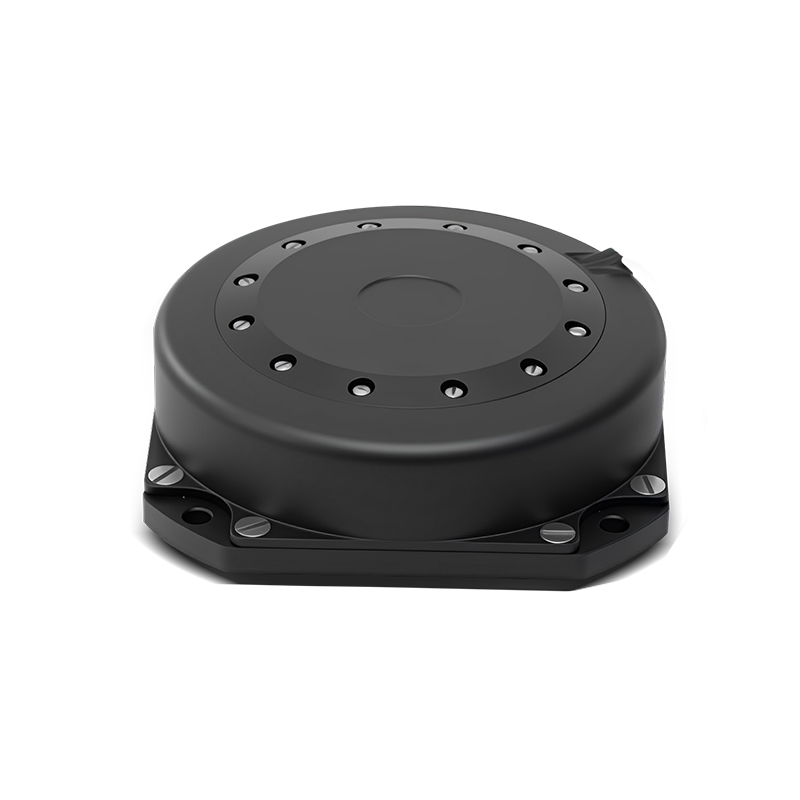 BSD98
BSD98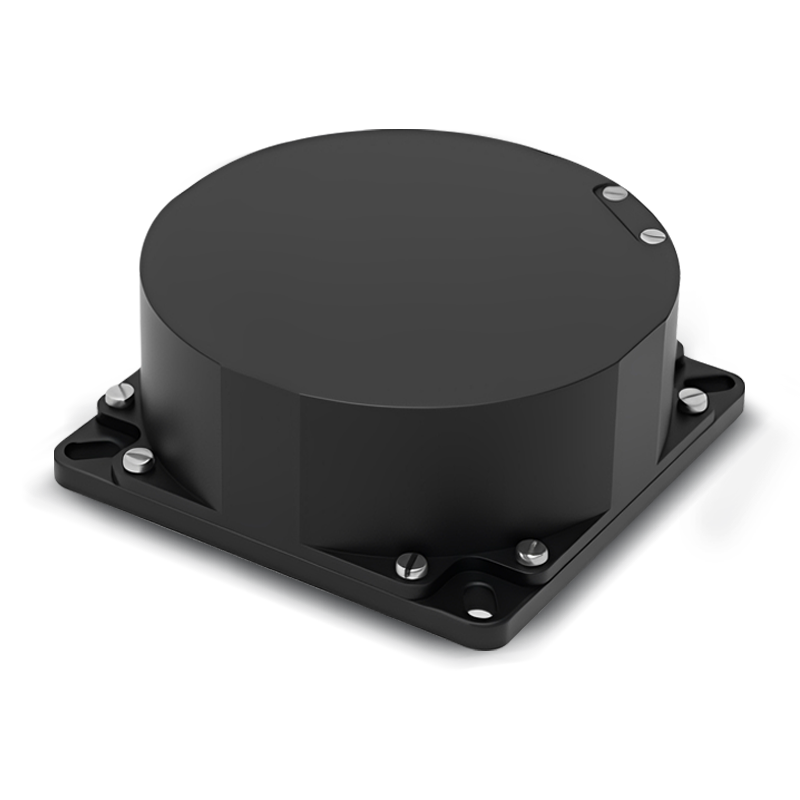 BSD70
BSD70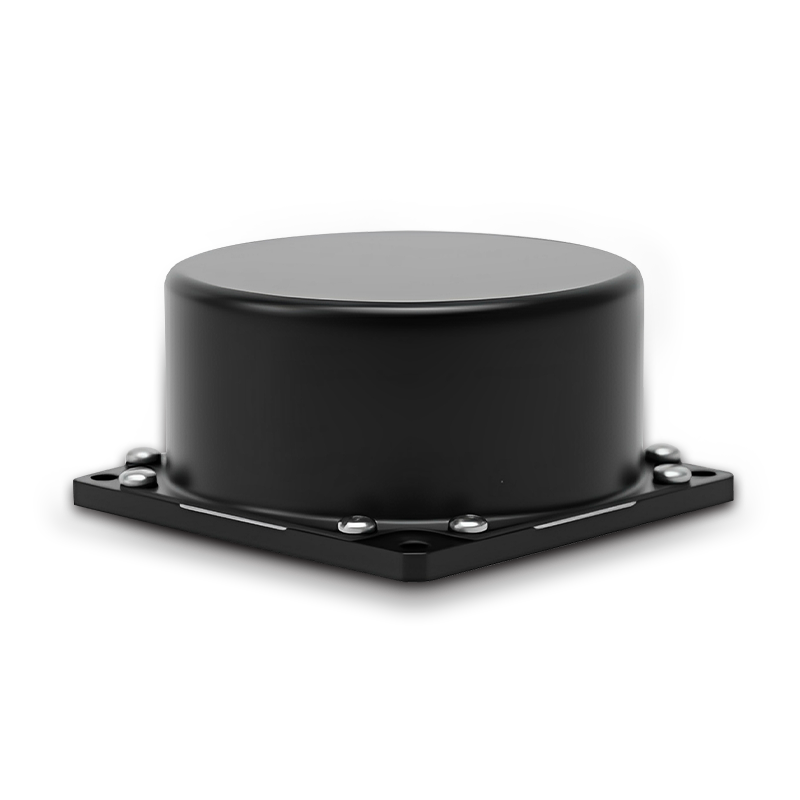 BSD60
BSD60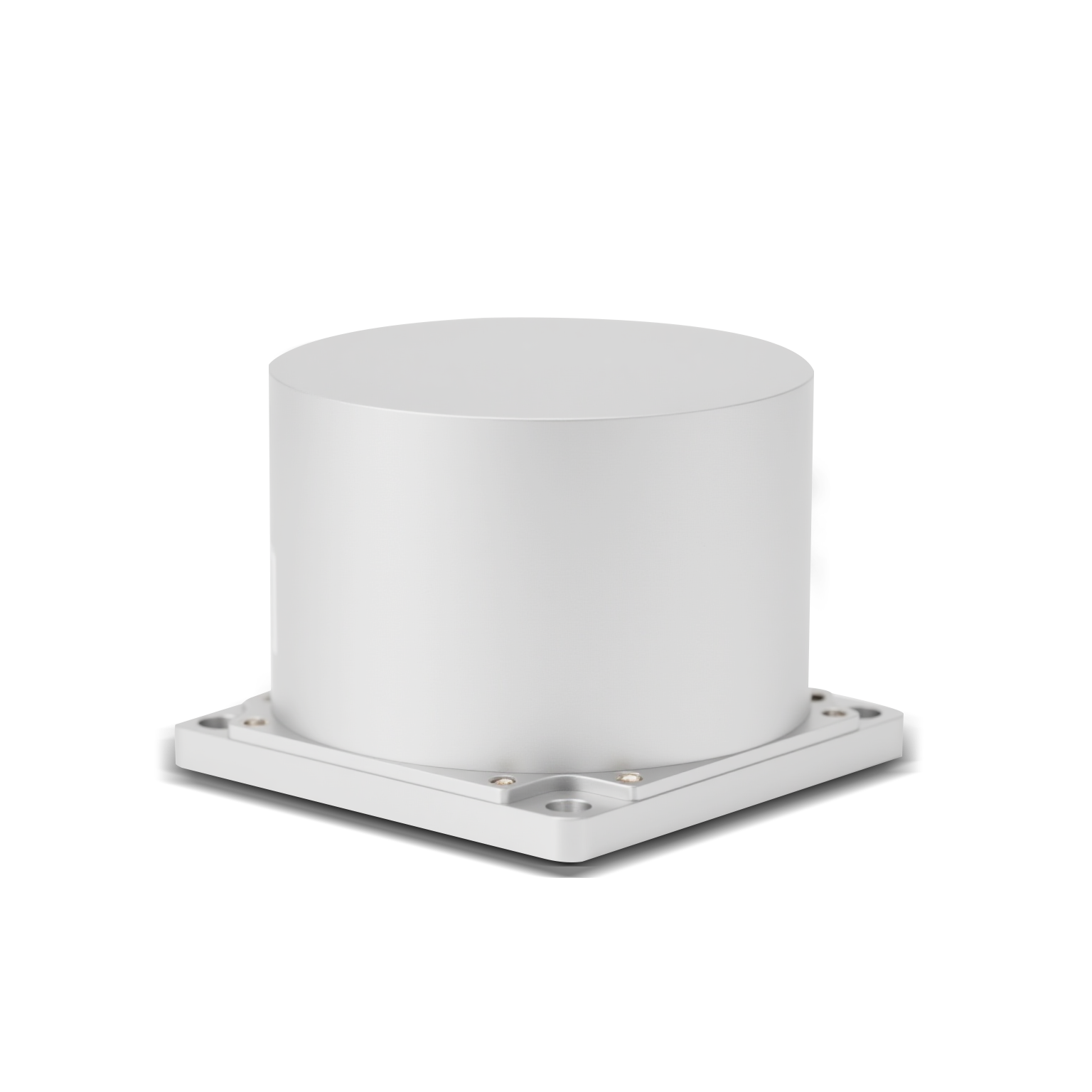 BSD50
BSD50 BSD217
 INS1700
 INS970
 INS570
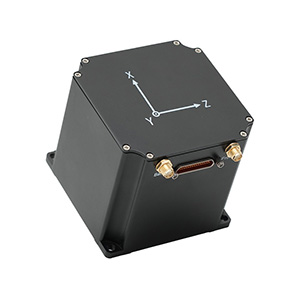 INS170
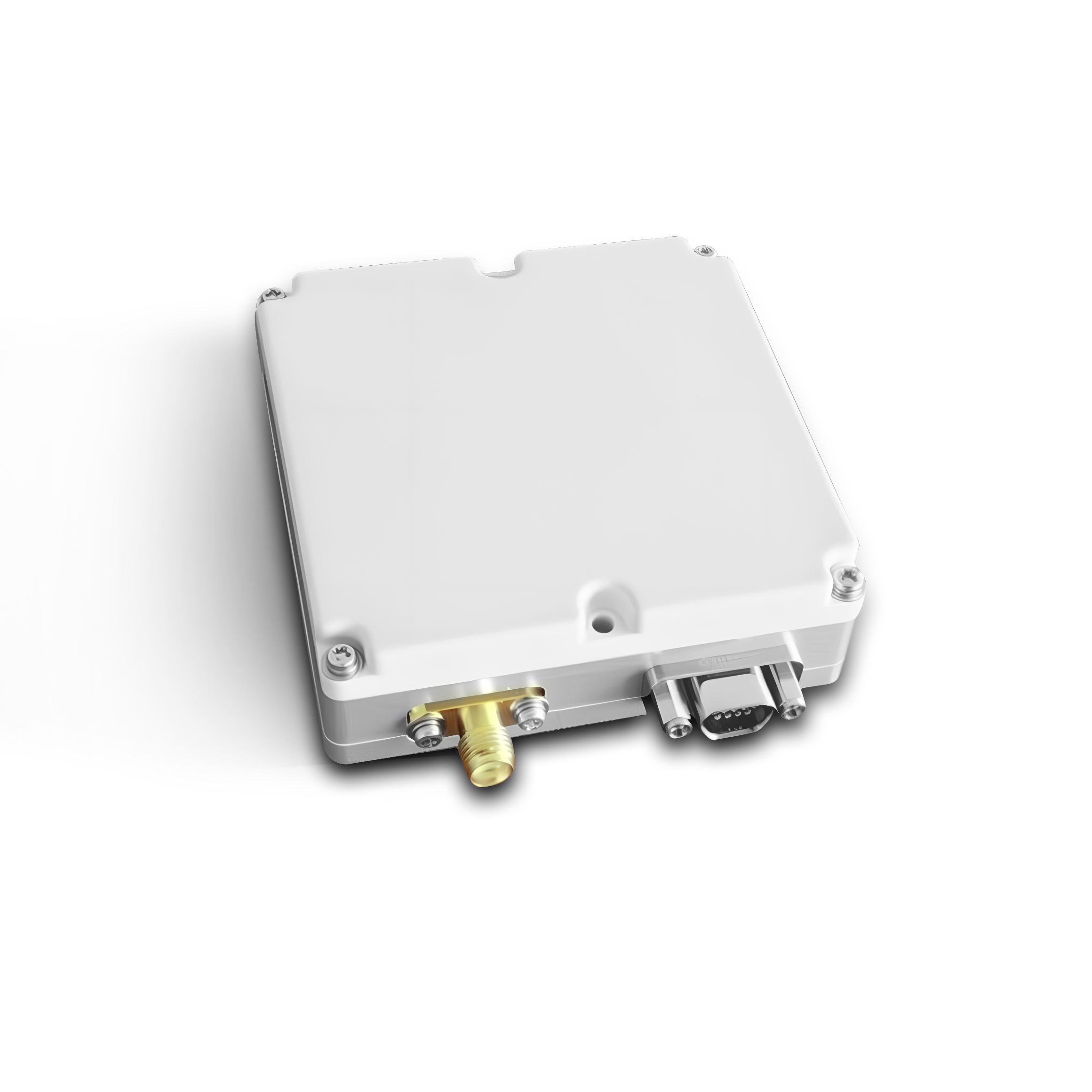 SLA-4B1L1-65
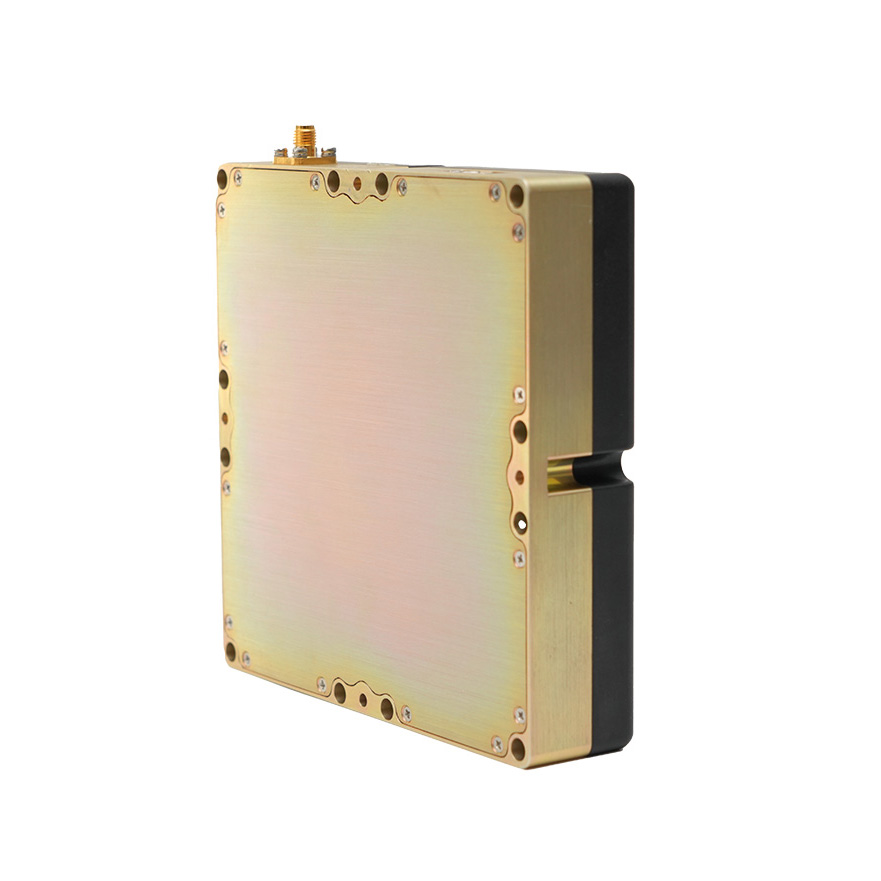 SLA-4B1L1-130
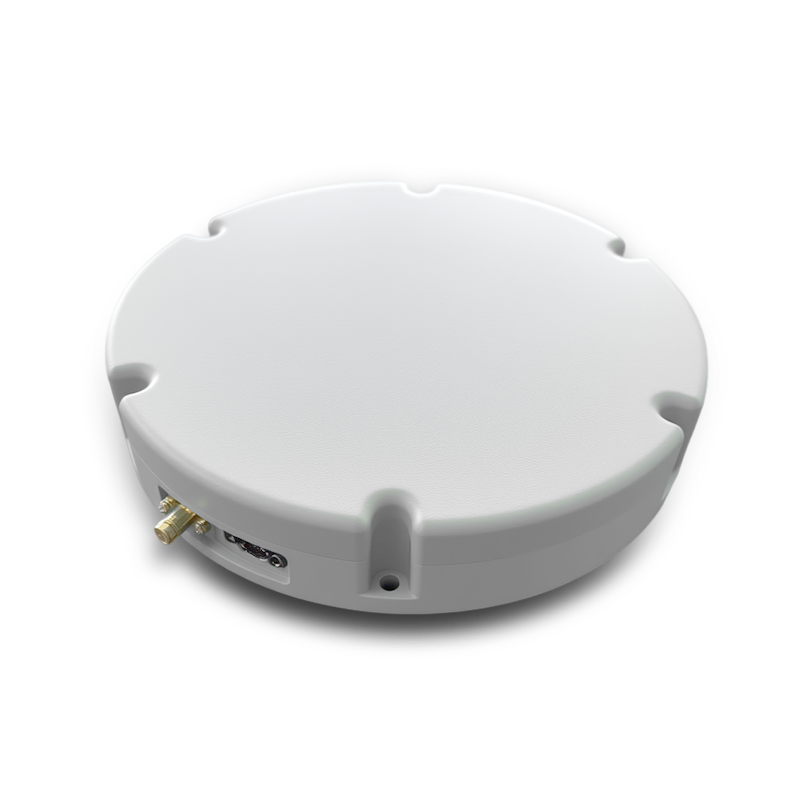 SLA-8B1L1-165
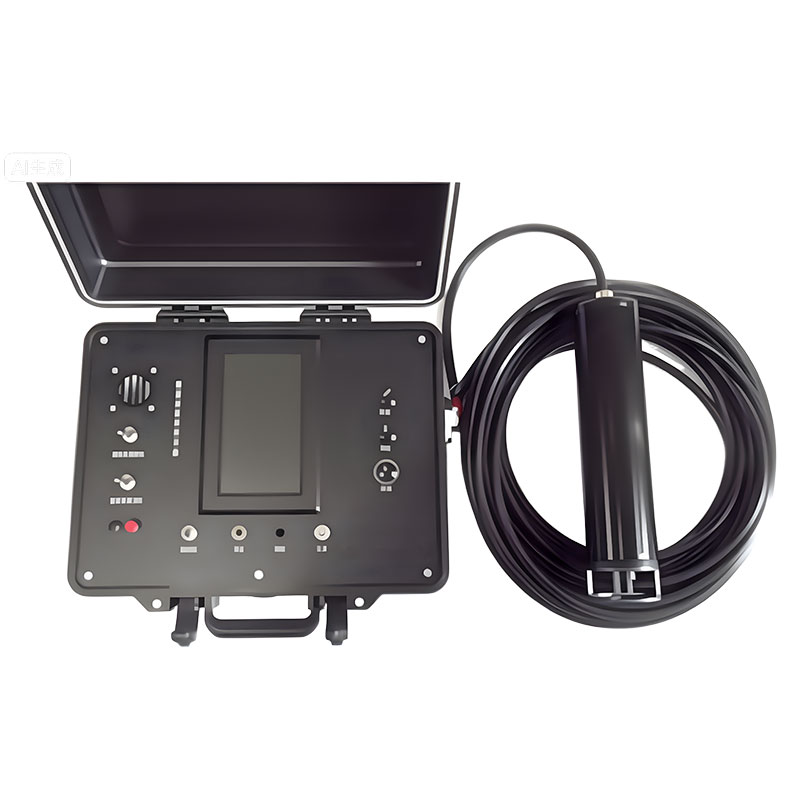 DIVER 101
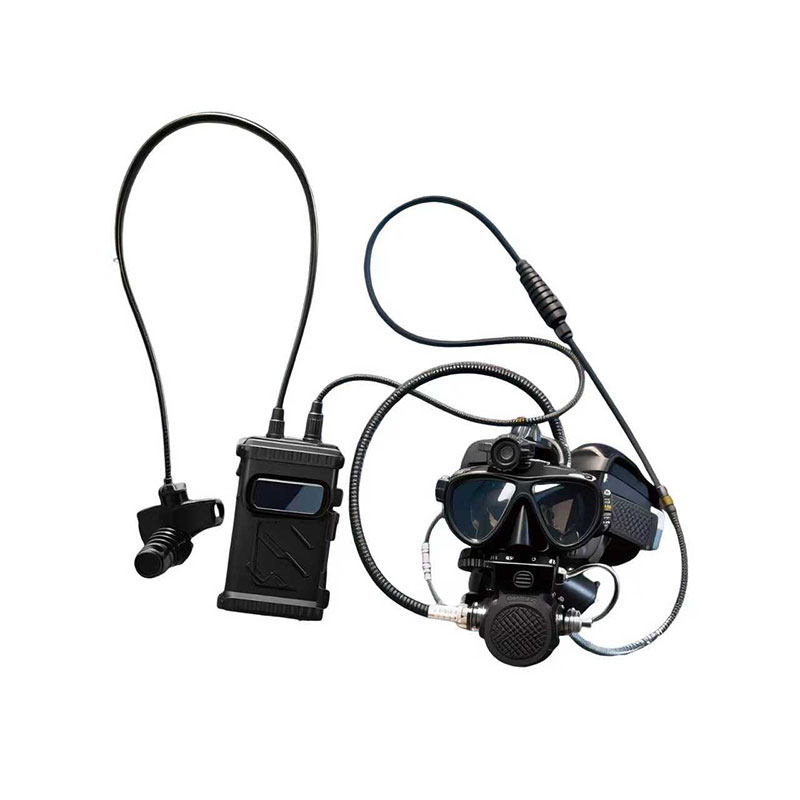 DIVER 102
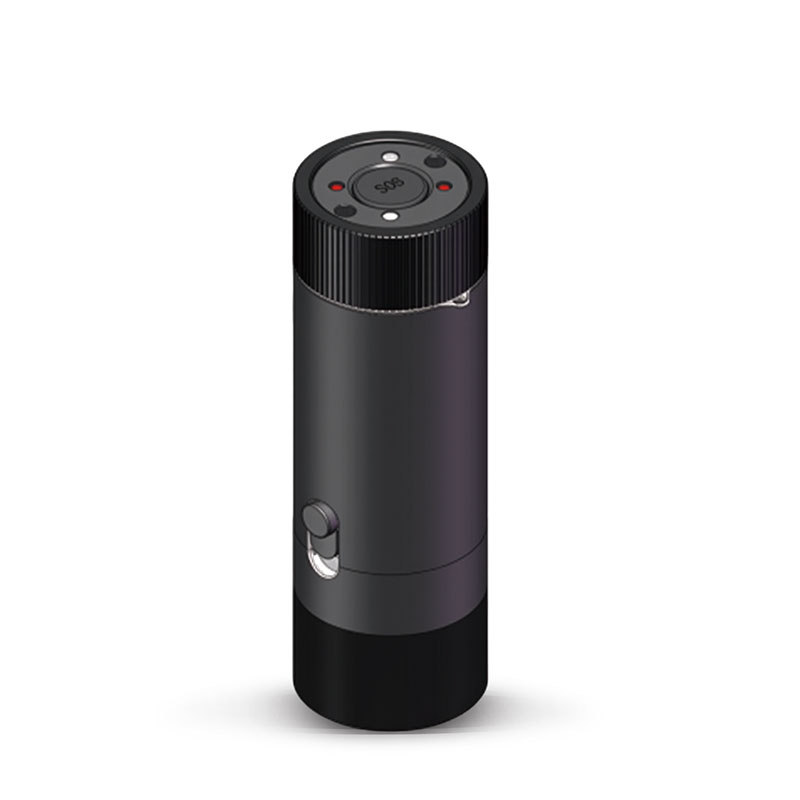 DIVER 103
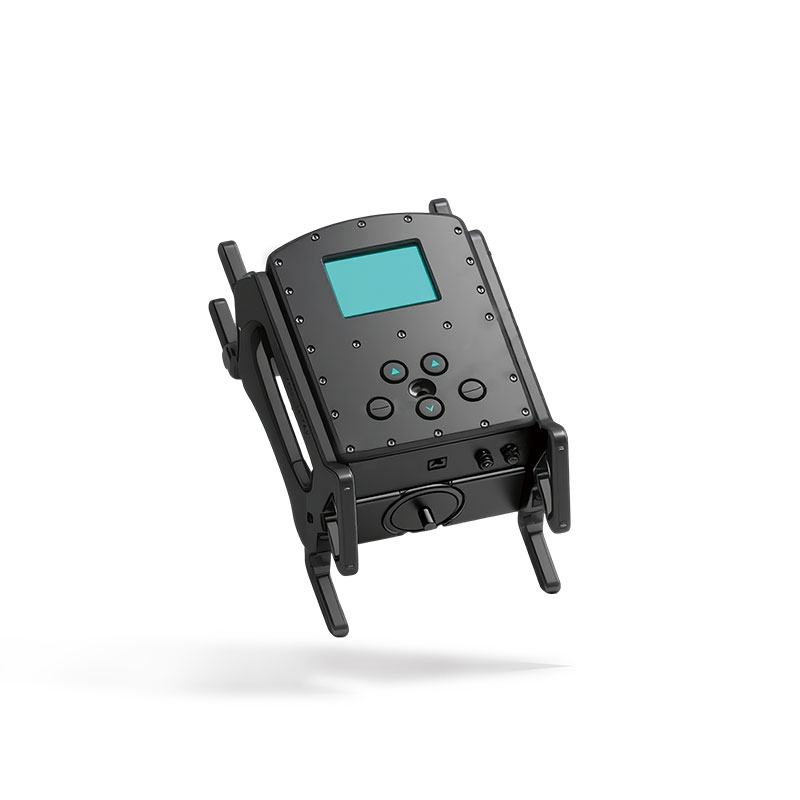 DIVER 104
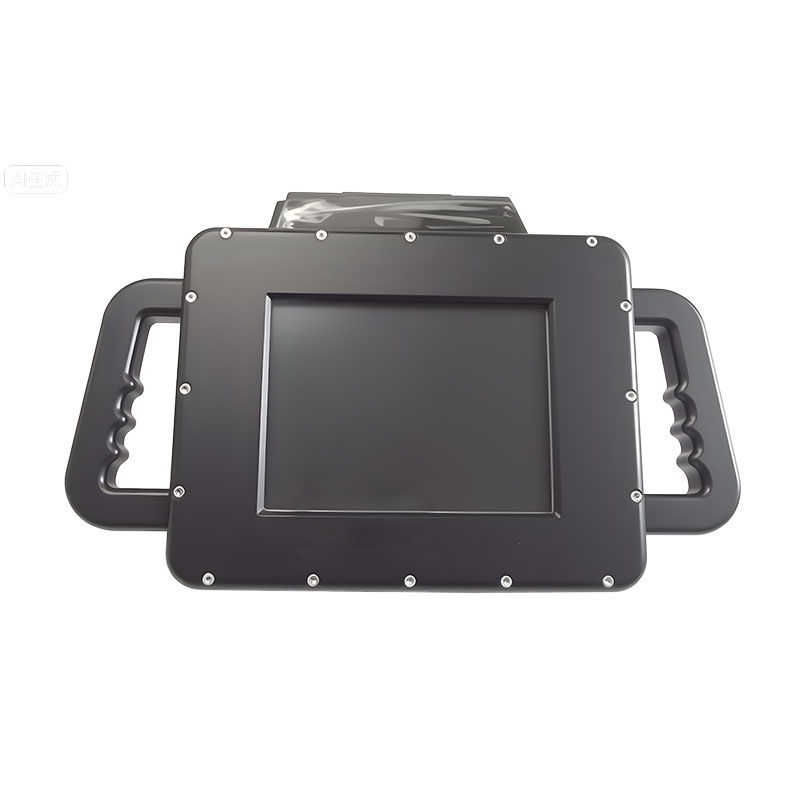 DIVER 105
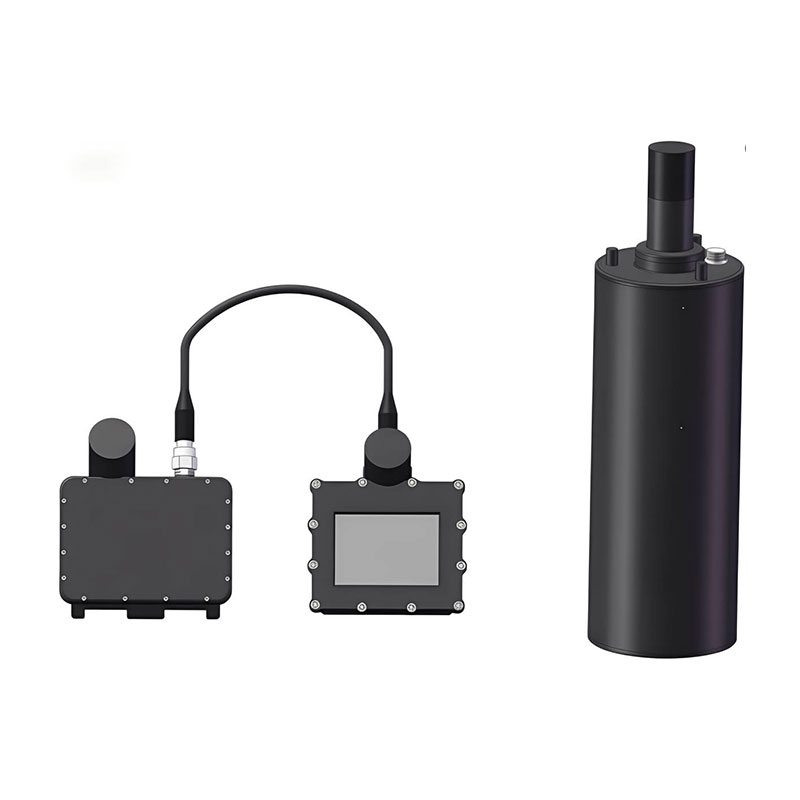 DIVER 106
 SLLR3000
 SLLR905
 SLLD25
 160M
160M 170M
170M SLFC-70
 SLAF280
 MR360
MR360